


How to Build Fitness Habits That Actually Last
Most people don’t struggle with motivation – they struggle with sustainability. Fitness habits often begin with enthusiasm, structure, and ambition, but fade once life becomes unpredictable. Missed sessions turn into guilt, routines feel fragile, and consistency slowly dissolves.
Lasting fitness habits are not built on discipline alone. They are built on systems that respect energy, behavior patterns, psychology, and real-world constraints. When fitness becomes integrated into life – rather than competing with it – habits stop feeling forced and start becoming automatic.
Why Motivation Fails but Habits Succeed
Motivation is emotional and temporary. It fluctuates with mood, stress, sleep, and external pressure. Building a fitness routine that relies on motivation alone creates inconsistency because motivation cannot be summoned reliably.
Habits function differently. They rely on cues, repetition, and predictability. Once established, they require less conscious effort. The brain conserves energy by automating repeated behaviors, which is why habits are more resilient than willpower.
Start Small Enough to Be Unbreakable
One of the most common mistakes in habit-building is starting too big. Long workouts, complex plans, and rigid schedules create high failure points. When a habit is fragile, one disruption can break it.
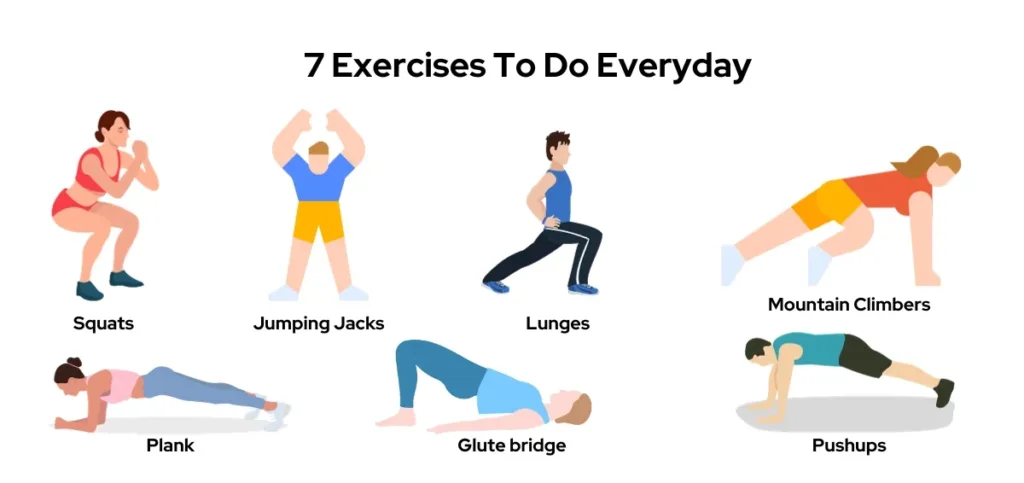
Small habits reduce friction. A short walk, a brief mobility session, or a few strength movements can be repeated even on low-energy days. Consistency forms when the barrier to entry is low.
Over time, these small actions compound. Capacity increases naturally, and habits expand without force. This progression feels sustainable rather than demanding.
- Short sessions are easier to repeat
- Low-pressure habits reduce guilt
- Consistency builds confidence
- Progress emerges organically

Design Habits Around Your Real Life
Fitness habits fail when they are built for an idealized version of life instead of the real one. Long workdays, stress, family responsibilities, and unpredictable schedules must be accounted for.
Habits that adapt to context survive. Training at different intensities, choosing movement types based on energy levels, and allowing flexibility prevents the all-or-nothing mindset that derails progress.
When fitness fits into life instead of competing with it, adherence improves and stress decreases.
Consistency Is Built Through Identity, Not Rules
Long-term habits are reinforced by identity. When movement becomes part of how you see yourself, it no longer feels optional. You don’t “try” to train – you simply act in alignment with who you are.
This identity is formed through repetition, not affirmation. Each completed session reinforces the belief that you are someone who moves, trains, and cares for your body.
Recovery and Energy Determine Habit Longevity
Habits break down when recovery is ignored. Fatigue, soreness, and burnout reduce the desire to return to training. Sustainable habits respect recovery and energy availability.
Adjusting intensity, prioritizing sleep, and fueling adequately allows habits to feel supportive rather than draining. When training restores energy instead of depleting it, consistency becomes natural.
- Sleep stabilizes motivation and recovery
- Fueling supports energy and adherence
- Low-intensity days maintain momentum
- Rest prevents burnout cycles
Habits That Last Are Built, Not Forced
Fitness habits that last are not the result of extreme discipline or perfect routines. They are built through patience, adaptability, and respect for the body’s needs.
At WorkoutFreak, fitness is approached as a lifelong practice. When habits are designed to support real life – rather than fight it – movement becomes consistent, empowering, and sustainable for years to come.
Leave a Reply