


Nutrition Fundamentals Without Diet Culture
Nutrition advice today is often tangled in diet culture – a system built around restriction, fear, moralizing food choices, and chasing external validation. Calories are treated as enemies, foods are labeled “good” or “bad,” and eating becomes something to control rather than something that supports life.
Sustainable nutrition has nothing to do with punishment or perfection. It is about nourishment, energy, adaptability, and understanding what your body needs to function, recover, and thrive. When nutrition is approached without diet culture, it becomes a foundation for strength, clarity, and long-term health – not a source of stress.
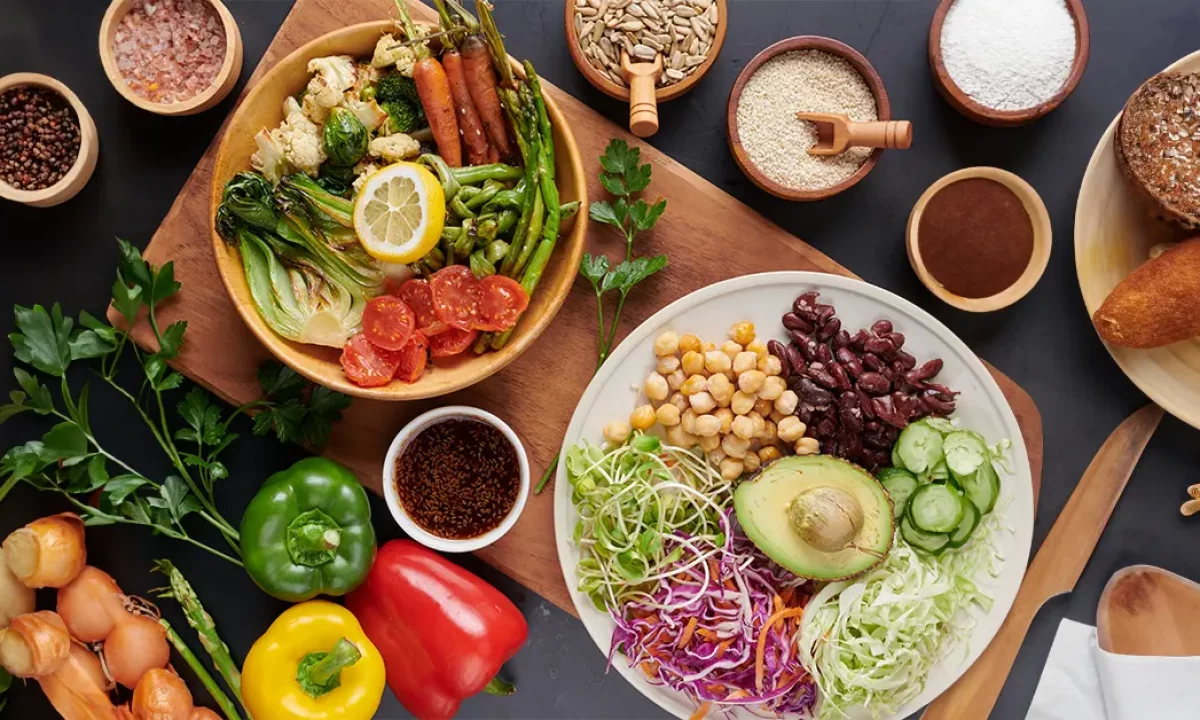
What Diet Culture Gets Wrong About Nutrition
Diet culture frames health as a narrow aesthetic outcome rather than a functional state. It prioritizes short-term weight loss over long-term well-being, encouraging cycles of restriction, guilt, and rebound eating. This approach disconnects people from internal cues like hunger, fullness, energy, and recovery.
When food is moralized, eating becomes emotional and reactive. People eat according to rules instead of needs, leading to inconsistent energy, disrupted digestion, and strained relationships with food. Nutrition becomes something to “get right” instead of something that supports life.

Nutrition as Fuel, Not Control
At its core, nutrition exists to provide energy, repair tissues, regulate hormones, and support brain function. Food is information for the body, not a tool for control. When intake consistently meets energy demands, the body adapts positively – strength improves, recovery accelerates, and mental clarity increases.
Restrictive eating disrupts this process. Under-fueling signals scarcity to the nervous system, increasing stress hormones and reducing recovery capacity. Over time, this can lower metabolic rate, impair training progress, and increase fatigue.
- Carbohydrates support training intensity and brain function
- Protein repairs muscle and connective tissue
- Fats regulate hormones and cellular health
- Micronutrients support digestion, immunity, and recovery

Consistency Beats Perfection in Nutrition
Nutrition works through patterns, not isolated meals. One “imperfect” day does not derail health, just as one “perfect” day does not create it. The body responds to what it receives consistently over time.
Removing rigid rules allows nutrition to adapt to real life. Social meals, cultural foods, travel, and changing schedules can coexist with health when consistency replaces perfection. This flexibility is what makes nutrition sustainable.
Consistent nourishment stabilizes energy levels, improves digestion, and supports long-term training adherence. It reduces mental load and allows food to return to its intended role – support, not stress.
Listening to the Body Builds Nutritional Intelligence
Hunger, fullness, energy, and recovery are signals – not problems to suppress. Learning to recognize and respond to these cues builds nutritional intelligence. This skill develops over time as trust with the body is restored.
Eating enough, eating regularly, and honoring hunger allows the body to regulate appetite naturally. Cravings often stabilize when restriction is removed and nutrients are consistently available.
Nutrition That Supports Training, Recovery, and Energy
For active individuals, nutrition must support movement demands. Training increases energy needs, and under-eating compromises adaptation. Fueling adequately improves performance, recovery, and injury resilience.
Balanced meals before and after training replenish glycogen, repair tissue, and regulate the nervous system. This reduces fatigue accumulation and allows training to feel sustainable rather than draining.
- Eat regularly to stabilize blood sugar and energy
- Fuel workouts instead of compensating for them
- Hydration supports digestion, joints, and recovery
- Adapt intake based on activity and stress levels
Nutrition as a Lifelong Practice
Nutrition without diet culture is not passive – it is intentional, informed, and adaptive. It prioritizes nourishment, respects internal cues, and supports the realities of daily life. Health emerges as a byproduct, not a demand.
At WorkoutFreak, nutrition is approached as a foundation for energy, recovery, and resilience. When food supports the body instead of controlling it, progress becomes sustainable – and health becomes something you live, not chase.
Leave a Reply