


Understanding BMI and BMR: Using Health Metrics the Right Way
Health metrics like BMI (Body Mass Index) and BMR (Basal Metabolic Rate) are commonly referenced in fitness and wellness conversations. While these numbers provide useful insights, they are often misunderstood or misapplied. Knowing how to interpret and apply them correctly can transform your approach to nutrition, exercise, and overall health.
Both BMI and BMR are tools, not absolutes. BMI offers a rough gauge of weight relative to height, while BMR estimates the calories your body burns at rest. Understanding their limitations and combining them with lifestyle, activity level, and body composition metrics provides a holistic approach to fitness.

What BMI Actually Measures
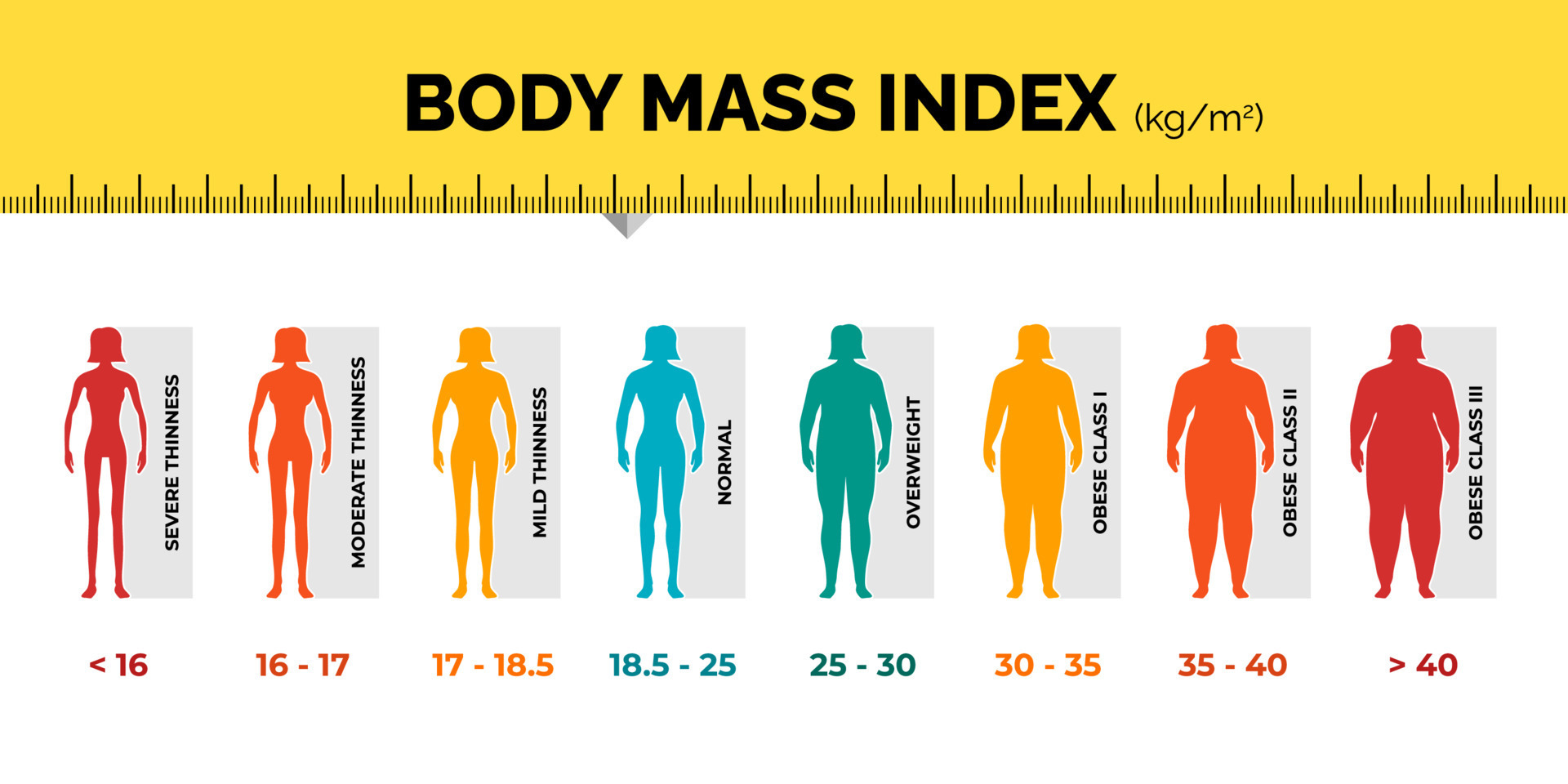
BMI is calculated as weight in kilograms divided by height in meters squared. It categorizes individuals as underweight, normal weight, overweight, or obese. Despite its popularity, BMI has significant limitations.
BMI does not differentiate between fat and lean mass, nor does it account for bone density, body composition, or fat distribution. Athletes with high muscle mass may appear overweight, while individuals with low muscle mass but high body fat may fall within the “normal” BMI range.
While BMI can be a starting point for assessing health risks, it should never be the sole determinant of fitness or wellness decisions.
Basal Metabolic Rate: Your Body’s Energy Baseline
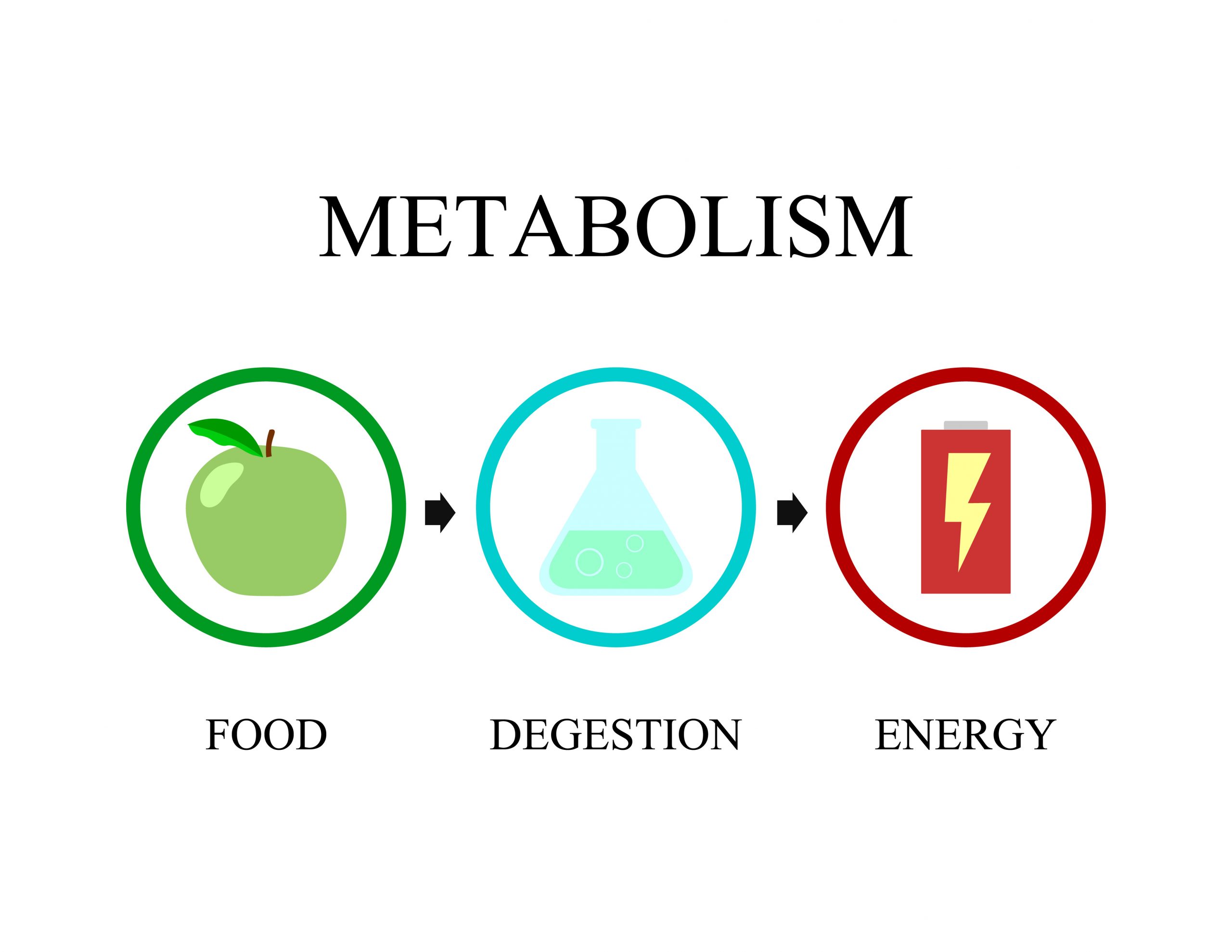
BMR represents the number of calories your body burns at rest to maintain vital functions such as breathing, circulation, and cellular repair. It forms the foundation for calculating daily caloric needs.
Several factors influence BMR, including age, sex, weight, body composition, and hormonal status. Lean muscle mass increases BMR, while a sedentary lifestyle or loss of muscle lowers it. Knowing your BMR helps you plan nutrition, whether your goal is weight loss, maintenance, or muscle gain.
BMR is not static; it adapts with changes in body composition and activity. Regular exercise, strength training, and mobility work can raise your BMR over time, improving overall metabolic efficiency.
How to Use BMI and BMR Together
Using BMI and BMR in tandem allows you to contextualize weight relative to energy needs. For example, a BMI slightly above the “normal” range may not indicate excess fat if BMR is high due to lean muscle. Conversely, a normal BMI paired with a low BMR may indicate low muscle mass or metabolic inefficiency.
When planning nutrition or exercise, consider these metrics together with lifestyle factors: activity level, sleep quality, stress, and dietary habits. This holistic view prevents misinterpretation and guides smarter health decisions.

Practical Applications for Fitness Planning
Understanding BMI and BMR allows for better planning of workouts and nutrition. For instance, knowing your BMR helps set a caloric target for weight management, while BMI can indicate if weight changes are moving you toward healthier ranges.
Tracking trends over time is more valuable than focusing on a single number. Consistent monitoring can reveal meaningful changes in body composition, metabolic adaptation, and progress toward goals.
- Use BMI to monitor general weight trends, not muscle vs fat content.
- Use BMR to calculate daily caloric needs based on activity level.
- Combine with strength training and mobility for healthy body composition changes.
- Adjust nutrition and exercise plans based on long-term trends, not short-term fluctuations.
Understanding Metrics for Lifelong Health
BMI and BMR are valuable tools when used intelligently. They provide a foundation for understanding your body and planning effective fitness strategies. The key is to integrate them with real-world context, focusing on muscle mass, energy levels, posture, and overall wellness.
At WorkoutFreak, we emphasize evidence-based use of metrics: they inform decisions, but do not define health. By combining BMI, BMR, and consistent lifestyle practices, you can make informed choices that support long-term vitality, energy, and resilience.
Leave a Reply