


How Yoga and Mobility Improve Strength, Posture, and Energy
Many people think yoga and mobility work are purely for flexibility or relaxation, but their benefits extend far beyond touching your toes. These practices enhance strength, optimize posture, and elevate energy, creating a body that moves efficiently, prevents injury, and supports everyday life.
Integrating yoga and mobility routines into a consistent fitness regimen transforms the way your muscles, joints, and nervous system interact. Unlike isolated strength work alone, these approaches focus on movement quality, alignment, and internal awareness, helping your body perform at its best both in the gym and in daily life.
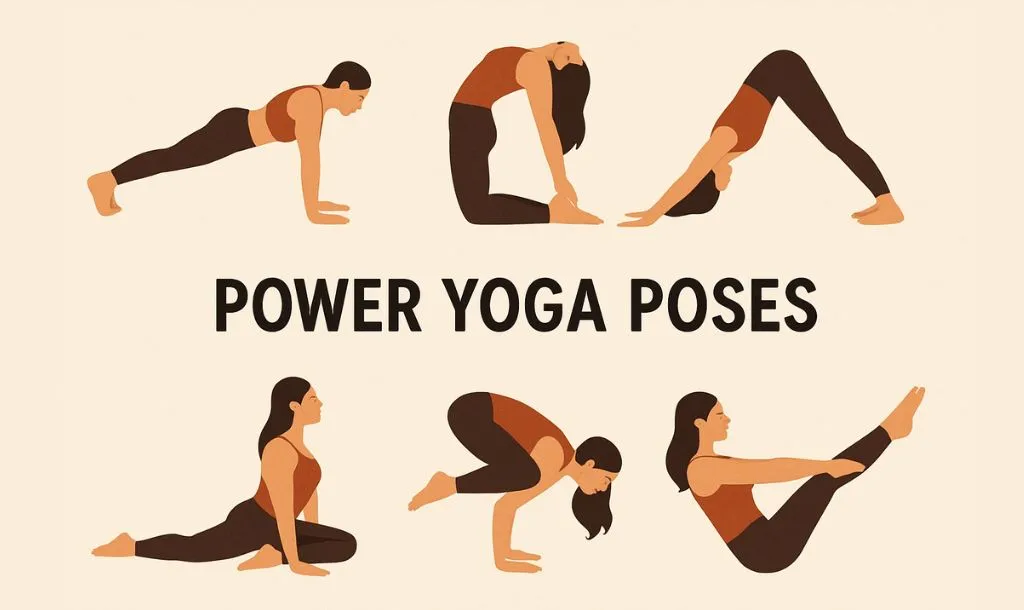
Yoga Builds Functional Strength
Yoga is often underestimated as a strength-building practice, but many postures engage multiple muscle groups simultaneously. Standing poses, arm balances, and flowing sequences develop core strength, shoulder stability, and leg endurance without heavy weights.
Functional strength gained through yoga differs from conventional weight training. It emphasizes control, joint integrity, and muscular balance. By holding poses under tension and moving mindfully, muscles adapt to dynamic load while protecting connective tissues.
This type of strength translates directly to daily movements – lifting children, carrying groceries, maintaining balance on uneven surfaces, or sustaining posture during prolonged sitting or standing.
,aspect=fit&q=75)
Mobility: The Key to Movement Quality
Mobility focuses on improving the range of motion across joints while maintaining control. Unlike passive flexibility, which simply stretches muscles, mobility ensures that joints can move freely and safely through their full range.
Regular mobility work prevents stiffness, enhances coordination, and reduces compensatory movement patterns that often lead to pain or injury. Techniques such as dynamic stretches, controlled articular rotations, and soft tissue work maintain healthy connective tissues and promote smooth, efficient movement.
Mobility not only aids performance in strength training but also improves posture, balance, and overall functional capacity.
- Hip openers increase squat depth and protect lower back
- Thoracic mobility enhances spinal rotation and posture
- Shoulder mobility improves overhead lifts and reduces pain
- Ankle mobility aids stability in walking, running, and jumping

Posture Correction Through Mindful Movement
Poor posture is often the result of muscle imbalances, sedentary behavior, and weak stabilizers. Yoga and mobility practice correct these imbalances by activating underused muscles, stretching tight tissues, and promoting awareness of alignment.
As the spine, shoulders, and pelvis regain proper positioning, everyday activities become less taxing. Sitting, standing, and lifting require less effort, reducing fatigue and preventing chronic pain.
Improved posture also enhances breathing efficiency, allowing more oxygen to fuel muscles and brain function, indirectly boosting energy levels.

Energy and Vitality: More Than Physical
Yoga and mobility improve energy not only by strengthening muscles and improving posture but also through respiratory and nervous system engagement. Deep, controlled breathing enhances oxygen delivery, stimulates the parasympathetic nervous system, and reduces stress-induced fatigue.
Flowing sequences and mindful transitions between postures increase blood circulation, mobilize joints, and activate muscles in coordinated patterns, providing a natural energy boost without caffeine or stimulants.
Over time, consistent yoga and mobility practice improves focus, mental clarity, and endurance. The body becomes more resilient to daily stresses, and fatigue is mitigated through better movement efficiency.
Practical Integration Into Your Routine
Incorporating yoga and mobility does not require hours of daily practice. Short, consistent sessions provide meaningful benefits:
- 10-15 minutes of mobility drills before strength training enhances performance and reduces injury risk
- 20-30 minutes of yoga post-workout supports recovery and flexibility
- Dedicated sessions 2-3 times per week improve posture, balance, and functional strength
- Daily micro-breaks focusing on breathing and joint mobility mitigate the effects of sedentary work
By prioritizing quality of movement and alignment, you create a foundation that enhances all other forms of exercise, promotes longevity, and reduces the likelihood of injury over time.
The Synergy of Yoga and Mobility
Strength, posture, and energy are deeply interconnected. Yoga and mobility work act as the bridge that connects muscular capacity with efficient movement and nervous system balance. When practiced consistently, these modalities provide a body that is stronger, more aligned, and more resilient to the demands of life.
At WorkoutFreak, we view yoga and mobility not as optional supplements but as foundational practices. By combining them with strength and conditioning, you cultivate a body that moves freely, supports every task, and maintains vitality for years to come.
Leave a Reply