


Strength Training for Real Life: Building Resilience Beyond the Gym
Strength training is often viewed through a narrow lens: heavier weights, visible muscle, and gym performance. While these outcomes can be motivating, they represent only a small portion of what strength truly offers. Real strength is not measured by numbers on a barbell alone, but by how well your body supports you through the physical demands of everyday life.
Carrying groceries, lifting children, climbing stairs, maintaining posture during long workdays, and recovering from unexpected stress all require strength. Training for real life means developing a body that is adaptable, resilient, and capable – not just inside the gym, but everywhere else.

Strength Is a Skill, Not Just a Physical Attribute
Strength is often treated as a raw physical quality, but in reality, it is a skill built through coordination, control, and repeated exposure to manageable challenge. The body learns how to produce force efficiently, stabilize joints, and distribute load across muscles and connective tissues.
This skill-based nature of strength is what makes it transferable to daily life. When you train with intention – focusing on form, balance, and controlled effort – your body becomes better at responding to unpredictable demands. Movements become smoother, posture improves, and physical tasks feel less taxing.
Training Movement Patterns, Not Just Muscles
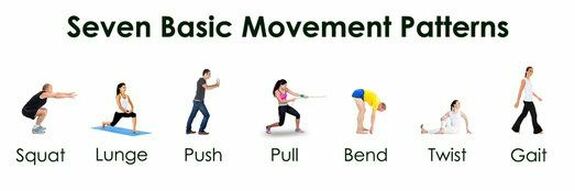
Real life does not isolate muscles. It demands coordinated movement patterns such as squatting, hinging, pushing, pulling, carrying, and rotating. Strength training that focuses on these patterns prepares the body for practical challenges rather than artificial gym scenarios.
When training emphasizes movement quality over maximal load, the body learns to generate strength while maintaining stability. This reduces strain on vulnerable joints and builds confidence in everyday movement.
- Squats and hinges support lifting and sitting
- Carries build grip, posture, and core stability
- Push and pull patterns protect shoulders and spine
- Rotational control improves balance and coordination

Resilience Comes From Repeated, Manageable Stress
Resilience is the body’s ability to absorb stress, recover, and adapt. Strength training contributes to resilience when it applies stress that the body can recover from consistently. This repeated exposure strengthens muscles, bones, tendons, and the nervous system over time.
Excessive intensity may produce short-term gains, but it often compromises recovery and increases injury risk. Sustainable strength training prioritizes progression that respects individual capacity, allowing resilience to develop gradually rather than being forced.
This approach builds trust between you and your body. Training no longer feels like a battle to survive, but a process of reinforcement that supports long-term health.
Strength Training Supports Mental and Emotional Stability
Physical strength and mental resilience are deeply connected. Structured strength training provides a sense of control, predictability, and progress. Each completed session reinforces capability and self-trust.
Over time, this carries into daily life. Physical challenges feel less overwhelming, stress becomes more manageable, and confidence improves. Strength training becomes a stabilizing practice rather than a performance test.
Strength Training as a Lifelong Foundation
Training for real life shifts the purpose of strength work. It is no longer about chasing extremes or aesthetics, but about building a body that supports you through decades of movement, responsibility, and change.
At WorkoutFreak, strength training is approached as a foundational life skill. By prioritizing movement quality, consistency, and recovery, you build resilience that extends far beyond the gym – into every aspect of daily living.
Leave a Reply